
Autoimmunity

Nerve Damage in Leprosy: The Immune System Turns Against Itself

Nerve Damage in Leprosy: The Immune System Turns Against Itself

Leprosy—also known as Hansen’s disease—is a chronic infectious disease caused by Mycobacterium leprae (and, less commonly, Mycobacterium lepromatosis) that results in severe, disfiguring skin sores and peripheral nerve damage in the arms, legs, and skin areas around the body. It’s most prevalent in the de­veloping world, where living conditions are poor and people struggle to access sufficient […]
Dendritic Cells: Teaching Tolerance to T Lymphocytes

Dendritic Cells: Teaching Tolerance to T Lymphocytes

Dendritic cells and T lymphocytes play together to ensure immunological tolerance—a functional state in which T lymphocytes are unable to respond to certain antigens. Why is immunological tolerance necessary? The answer is simple: T lymphocytes must be able to direct their destructive potential to infected cells and cancer cells while, at the same time, avoiding […]

A "Molecular Brake" for Macrophage-Driven Inflammation

A “Molecular Brake” for Macrophage-Driven Inflammation

“When a wound swells up, turns red and hurts, it may be a sign of inflammation. Inflammation is—very generally speaking—the body’s immune system’s response to stimulus. This can be bacteria colonizing a wound or a splinter piercing your finger, for example. Inflammation happens when the immune system fights against something that may turn out to […]

Metabolic Syndrome, Autoimmunity, and Dendritic Cells

Metabolic Syndrome, Autoimmunity, and Dendritic Cells

Metabolic syndrome is a cluster of conditions — increased blood pressure, a high blood sugar level, excess body fat around the waist, and abnormal cholesterol levels — that occur together, increasing the risk of heart disease, stroke, and diabetes. Metabolic syndrome is closely linked to obesity, which is now viewed by many scientists as an […]

Rogue B Cells: Newly Discovered Triggers of Autoimmune Diseases

Rogue B Cells: Newly Discovered Triggers of Autoimmune Diseases

During an immune response to infectious pathogens, we generate antibodies. Antibodies first bind the pathogens, and then shuttle these pathogens to cells that can destroy them. Sometimes we develop antibodies that do not bind infectious pathogens — instead, they bind self-antigens. Self-antigens are molecules present in our own cells — the interactions of antibodies with […]

Molecular Mimicry, Influenza Virus and Narcolepsy

Molecular Mimicry, Influenza Virus and Narcolepsy

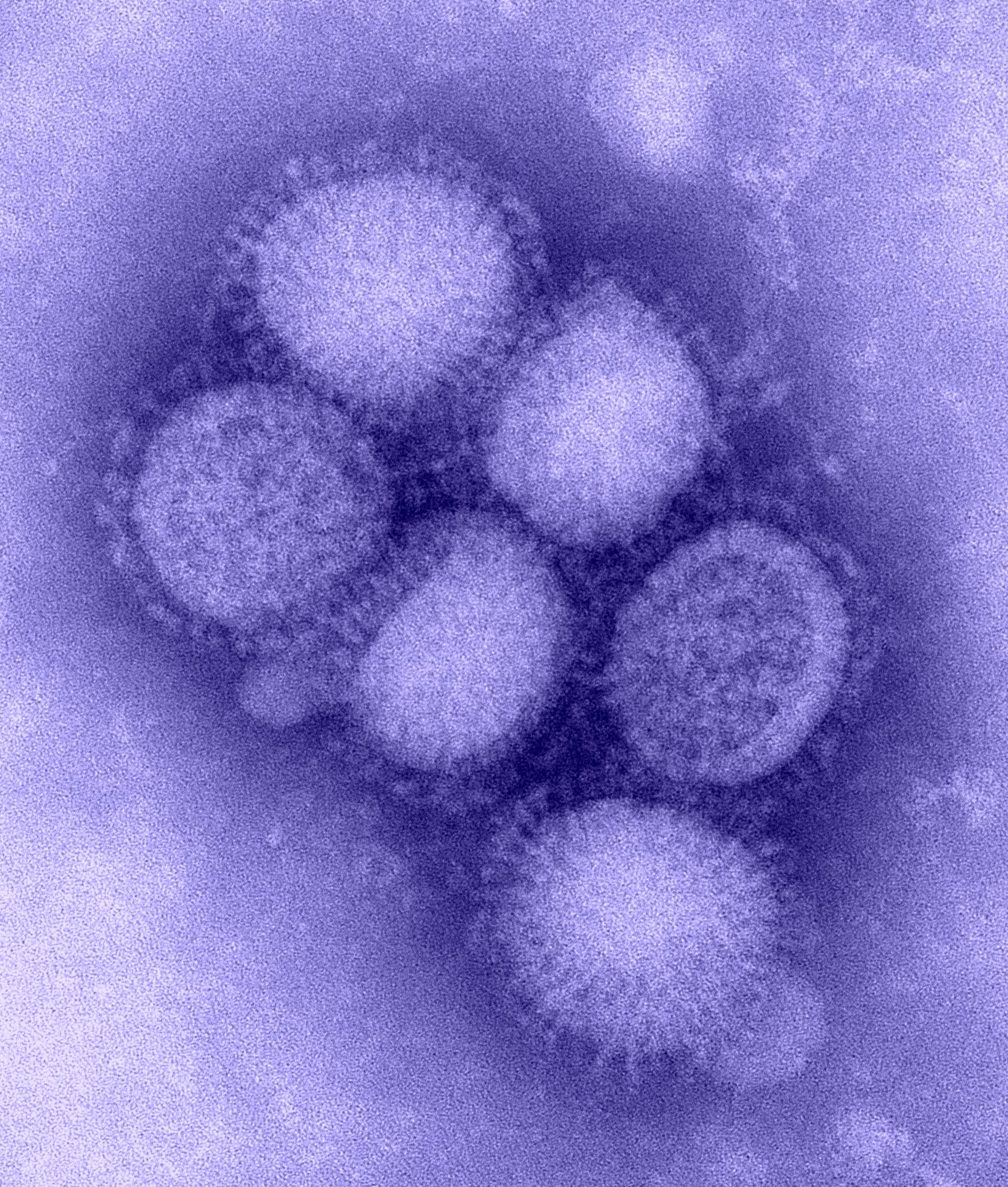
Molecular mimicry involves two or more unrelated molecules that mimic each other – for example, a viral protein may mimic a human protein. Why? A small portion of the viral protein may be very similar or identical to a small portion of the human protein. It is said that, in molecular mimicry, a protein “impersonates” […]

Seized by Numbness: The Autoimmune Causes of Narcolepsy

Seized by Numbness: The Autoimmune Causes of Narcolepsy

Narcolepsy — or “seized by numbness” — is a condition far more common that people realize. Jane Brody’s account of Clea’s personal experience with narcolepsy provides an excellent description of the symptoms associated with this condition “Yet during her freshman and sophomore years, she was always tired, no matter how much she slept at night. She often fell asleep […]

From Cancer to Autoimmune Disease

From Cancer to Autoimmune Disease

A few years ago, a reader of the New York Times blog “Consults – Experts on the Front Lines of Medicine” (now replaced by Ask Well) posed the question “How does someone get scleroderma?” Leading expert Dr. John Varga responded “The cause of scleroderma is unknown. Viruses and exposure to certain chemicals and occupational toxins have been suspected, but […]